
Diversity is at the heart of our fostering community.
Our foster carers and the children we support come from many different backgrounds and experiences. Every child deserves to feel proud of who they are and supported as they explore their identity and heritage.
We also know how important it is for children in care to stay connected to their culture, background and community.
Wherever possible, we carefully match children with foster carers who can support and celebrate their identity, helping them grow in confidence and feel a strong sense of belonging.
How to support your foster child’s cultural identity
Celebrate who they are
Create an inclusive home where children feel proud of who they are. This could include:
- cooking familiar meals
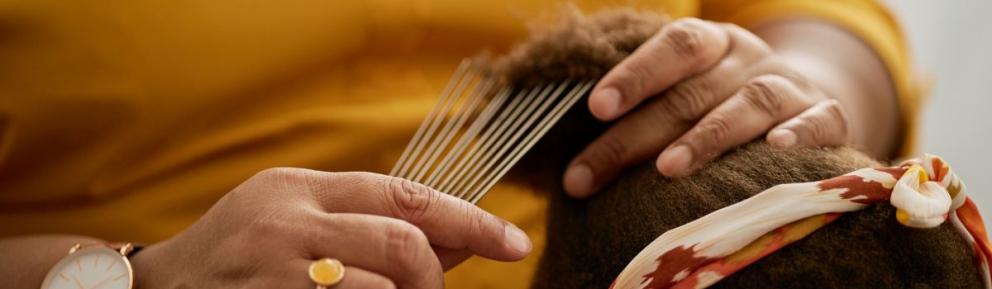
- using the right hair and skin products
- supporting cultural and religious traditions
Fosterline has some helpful articles, including:
- understanding children's religious needs
- practical support for children from ethnic minority backgrounds
The Fostering Network has a blog about the 'Replenish' box - with products to look after the hair and skin of black children in foster care.
Keep learning
Make the most of training, workshops and resources that help you understand and support children from different backgrounds. You can find training and webinars on the Fostering Network's learning and development page.
Understand identity
Identity is complex. Some children in care may face additional challenges linked to culture, race, faith, disability or other protected characteristics.
Create a safe space
Make your home somewhere children feel comfortable talking about their identity, experiences and feelings.
Listen and validate
Take time to listen to your foster child’s experiences. Let them know their voice matters and that they are supported.
Build community connections
Help children stay connected with communities, events or places of worship that reflect their culture and heritage.
Encourage pride in their heritage
Celebrate cultural traditions, holidays and stories that help children feel proud of where they come from.
Be open to conversations
Children may have questions about identity or belonging. Be open, curious and willing to learn together.
Advocate for them
Speak up for your foster child if they face discrimination or misunderstanding at school or in the community.
Use the support around you
You’re never alone in fostering. Your Supervising Social Worker, training opportunities and support groups are always there to help.