
Chief Executive Officer, Involve Community Service


A community photography exhibition marking White Ribbon Day (25 November) and the start of the 16 Days of Activism Against Gender-Based Violence has launched. White Ribbon Day is an annual international day dedicated to raising awareness of ending violence against women and girls.
The 16 Voices, One Mission campaign features portraits and personal reflections from 16 people across Bracknell Forest, united in their commitment to ending violence against women and girls and promoting respect, equality and positive change.
Inspired by this year's White Ribbon theme, 'It takes all of us', the exhibition is led by Bracknell Forest Council, in partnership with Bracknell and Wokingham College, Kaleidoscopic UK and Berkshire Women's Aid. It highlights everyone's responsibility to challenge harmful attitudes and behaviours and help create safer communities for women and girls.
They will be on display in the former Select unit at Princess Square, where the exhibition will remain until January 2027.
Chief Executive Officer, Involve Community Service
In my role, I see every day how local activities, volunteering and community groups help people build confidence, connection and a sense of belonging. In turn, social isolation is reduced, with trusted spaces built where people are supported and directed to the right help.
Such foundations provide opportunities to model respect, challenge harmful stereotypes and discuss the attitudes that contribute to violence and abuse. Engaging men and boys is particularly important in rejecting harmful behaviours and promoting accountability.
Preventing violence against women and girls means more than responding when harm occurs. It means creating communities where people look out for one another, supporting those who speak up and refuse to tolerate abuse.
I’m delighted to participate in this campaign and champion the role of community togetherness in helping everyone feel connected, valued and safe.
Lead Prevention, Safeguarding and Safety Education Manager, Royal Berkshire Fire and Rescue Service
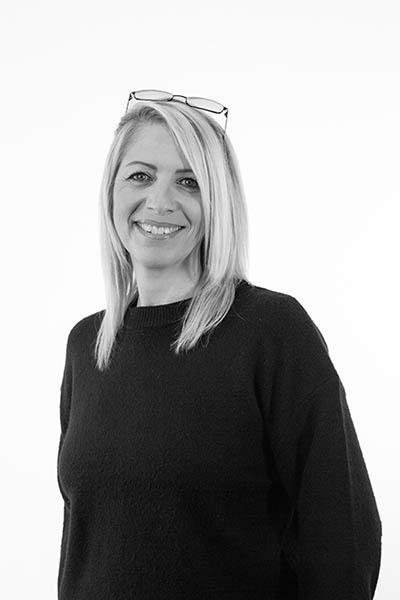
Ending violence against women and girls isn’t just a women’s issue, it’s a societal issue. While everyone has a role to play, community leaders have a unique opportunity to influence conversations, challenge harmful attitudes, and encourage positive action.
The attitudes, behaviours and standards that leaders demonstrate can help shape the culture of the communities and organisations they represent. By promoting respect, equality and inclusion, and by speaking out against harmful behaviours, leaders can help create positive cultures and environments, demonstrating that unacceptable behaviour is never normalised or overlooked.
Lasting change can only be achieved when individuals, communities, organisations and public services work together. By using their platforms to raise awareness, inspire action and foster a culture of accountability, community leaders can help create safer communities where violence and abuse are never tolerated, and where everyone can live free from fear and harm.
Public Engagement Lead, Bracknell Islamic Cultural Society
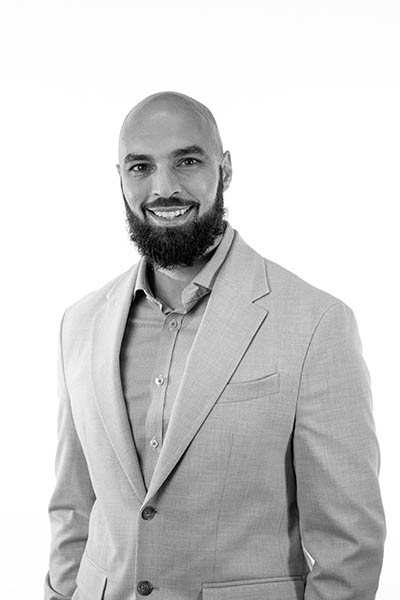
One action anyone can take is to lead by example. Through our words and actions, we can show that women and girls are to be treated with dignity and respect, and that their safety is never up for debate.
Making a difference does not always require grand gestures. It starts with the standards we set for ourselves, the behaviour we model to others, and our willingness to challenge attitudes that fall short of those values. By creating a culture of respect in our homes, workplaces, schools, and communities, we can all play a part in preventing violence against women and girls.
My faith calls me to stand up for justice and to put those beliefs into action. As a Muslim and a representative of the Bracknell Islamic Cultural Society, I believe it is important that we do our part to help build safer, more respectful communities for everyone. Challenging violence against women and girls is part of that responsibility, and one that belongs to all of us.
This campaign is an opportunity to come together and send a clear message that when our individual actions are repeated across our communities, they can collectively make a real and lasting difference.
Housing Manager, Abri
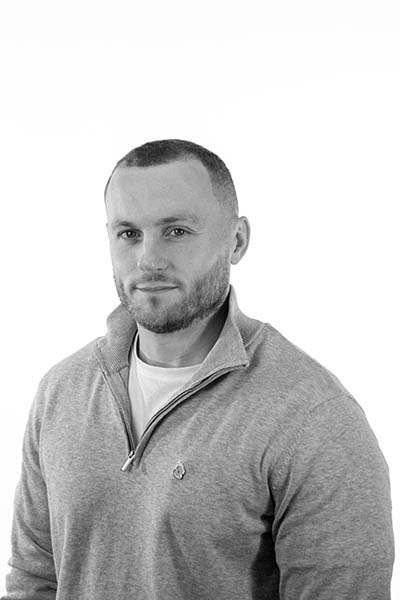
Small actions can create meaningful change by gradually raising awareness, encouraging conversations, and inspiring others to take action. Through training, education, and ongoing engagement within organisations, positive messages can continue to grow organically and reach wider communities.
As part of my role, I’m aware that domestic abuse is sadly something we regularly encounter. At Abri, we are committed to promoting positive cultural change and providing support to the communities we serve. This means championing respect, dignity, and kindness, while empowering people to challenge harmful behaviours and patterns when they see them.
We want our residents and the wider community to know that support is available, and that seeking help, guidance, or advice is a sign of strength. I chose to get involved with this campaign for personal reasons that are close to my heart, but also to demonstrate that, as a housing provider, we are here to support our communities.
By working together, speaking up, and supporting one another, we can help create safer environments where everyone feels able to access the help they need when they need it.
Centre Director, The Lexicon
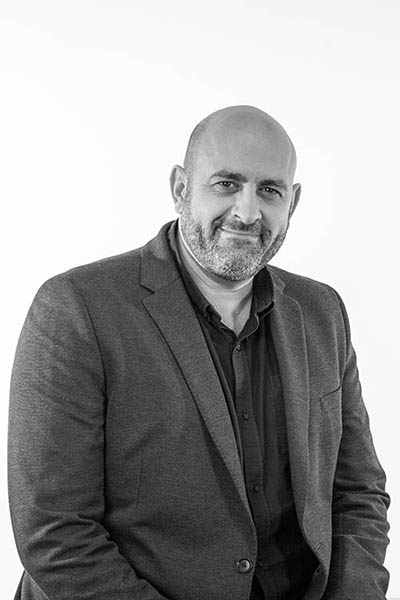
I think safer communities start with something quite simple: recognising that we all have a part to play. It can be easy to assume someone else will speak up when something doesn’t feel right. But culture is often shaped in much quieter ways, by how we treat people, what we choose not to ignore and whether we’re prepared to look out for one another.
I’ve supported the White Ribbon campaign for many years because I believe men have an important role to play, not from a place of defensiveness or guilt, but as allies to women and girls. For me, it isn’t about grand gestures or pretending to have all the answers. It’s about listening, showing respect, trying to set the right example and challenging behaviour when it falls short.
At The Lexicon, we want everyone who visits, works, shops or spends time here to feel safe, valued and welcome. None of us can create that environment alone, but all of us can influence it through the choices we make. Perhaps that’s the point: if each of us does our bit, we make it a little easier for the next person to do the same.
Chief Executive Officer, Kaleidoscopic UK
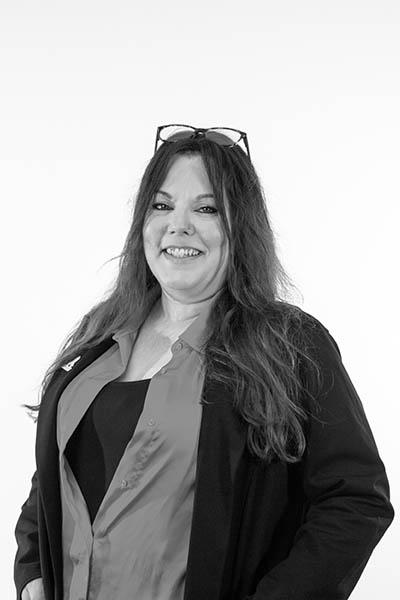
There’s no single answer to this question because every person’s experience is unique. Fear is often a significant factor, whether that’s fear of verbal or physical repercussions, or longer-term concerns such as financial abuse, housing insecurity or the fear of not being believed.
While abuse can affect people of all genders, we know that women are disproportionately impacted. Many women remain silent because they fear the consequences of seeking help, particularly when children are involved.
For many, the abuse doesn’t end when a relationship ends, making speaking out feel even more daunting. To create meaningful change, we must continue to challenge the culture of victim blaming and shaming. Survivors should never be made to feel responsible for the abuse they have experienced.
When I founded Kaleidoscopic UK, it was less common for victims and survivors to come forward and be believed from the outset. While there is still much more to do, it’s encouraging to see a growing focus on holding perpetrators accountable.
Recovery can be a lifelong process, and survivors need ongoing support. I’m proud to use my voice to champion survivors, represent our survivor-led charity through this campaign, and challenge the myths that too often prevent people from seeking help.
Superintendent Operations, Thames Valley Police
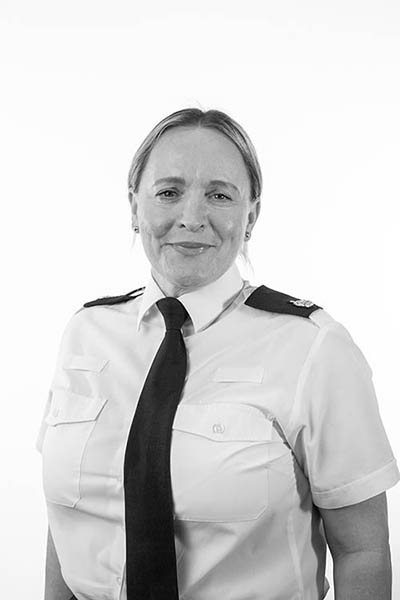
Everyday sexism matters because culture is shaped by the things we repeatedly say, do, ignore and tolerate. Most sexism doesn’t begin with serious crimes or obvious discrimination. It starts with seemingly small comments, jokes, stereotypes and behaviours that are often dismissed as harmless ‘banter’. When those things go unchallenged, they create an environment where disrespect towards women and girls becomes normalised.
If we accept casual sexism, the cumulative effect of these actions over time sends the message that women and girls should expect less respect, fewer opportunities and lower standards of treatment. Challenging everyday sexism is not about being offended by everything. It’s about refusing to normalise attitudes that undermine half the population.
If we want a society where women and girls are treated equally, we must be prepared to challenge the attitudes and behaviours that suggest otherwise. The good news is that everyone can make a difference. Challenging a sexist joke, speaking up when someone is treated unfairly, or simply modelling respectful behaviour in our own lives can all help create safer environments for women and girls.
Cabinet member for council strategy and communities, Leader and Chair of the Cabinet, Bracknell Forest Council
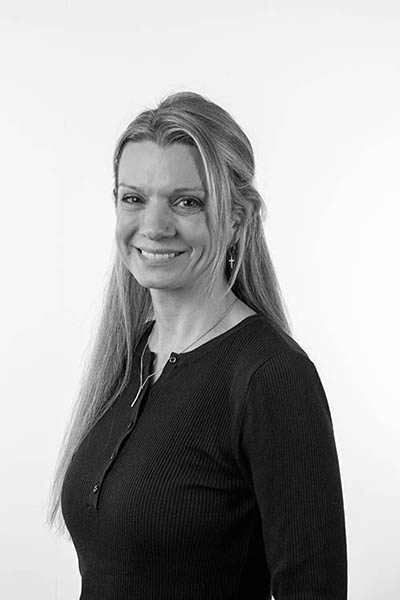
Creating a culture of respect and safety starts with all of us. It means challenging harmful behaviour when we see it, listening to victims and survivors, and ensuring that women and girls can live an equitable life.
Everyone has a role to play in building communities where people feel safe, respected, and able to thrive. In my role at Bracknell Forest Council, I believe it is important that we, as civic leaders and community partners, lead by demonstrating positive values that contribute to thriving communities. That means not only raising awareness of violence against women and girls, but also taking meaningful action alongside our residents, businesses, schools and community organisations to create a borough where everyone feels they truly belong.
Creating lasting change requires all of us to work together. It is an honour to support this campaign and lend my voice to such an important cause. Preventing violence against women and girls is everyone’s responsibility, and real change happens when we come together with a shared commitment to championing respect, for everyone.
Cabinet member for housing, community safety and communication, Bracknell Forest Council
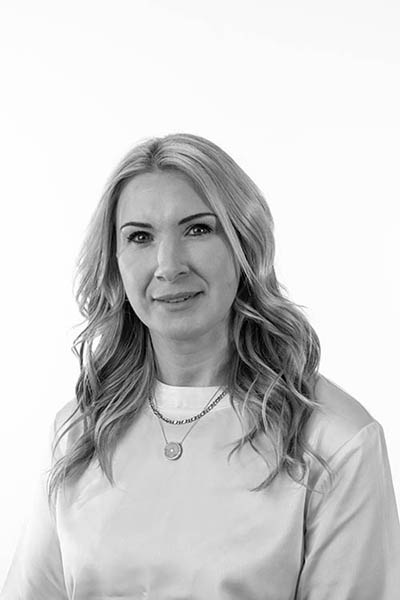
So much in life can be shaped by luck and the circumstances we are born into. To me, a truly equal community is one where opportunities are not determined by gender, background or personal circumstances. Everyone should have equal access to education, healthcare, housing, and the chance to live a safe and fulfilling life.
For women and girls, that means having the same opportunities to succeed, being able to move through life without fear, and being treated with fairness and respect, including through continued efforts to address inequalities such as the gender pay gap.
In my role, I’m committed to helping create communities where everyone feels safe and supported. This includes championing initiatives such as the Women and Girls’ Safety Charter, which encourages taking positive action to improve safety and challenge behaviours that can make women and girls feel unsafe.
An equal community is one where violence against women and girls is never tolerated and where everyone takes responsibility. While progress has been made, there is still more to do. By raising awareness, challenging harmful attitudes, and working together, we can build a Bracknell Forest where women and girls feel safe and empowered to achieve their full potential.
Co-facilitator - Coercive Relationships Course, Stepping Stones Recovery College
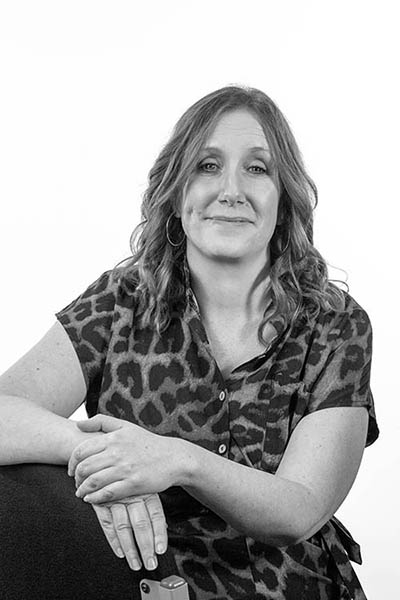
We show respect by listening to others without judgement, treating people with kindness, and having the confidence to challenge harmful attitudes and behaviours when we see them. Respect is not just about how we treat people when things are going well, but how we respond when someone speaks up and asks for support.
Education also plays a vital role. We need to help our children and young people understand what healthy, respectful relationships look like and recognise behaviours that can be harmful. This is particularly important when it comes to controlling and coercive behaviour, which is often misunderstood, minimised, or overlooked. We cannot challenge what we do not recognise, and education is one of the most powerful tools we have for breaking the cycle of abuse and preventing harm before it occurs.
At Stepping Stones, we offer a free, four-part course on controlling coercive relationships designed for anyone who has experienced controlling relationships or for anyone who wants to understand more. I am proud to deliver this work and to help others recognise the signs, feel less alone, and remember that ending abuse is a responsibility we all share.
Domestic Abuse Coordinator, Bracknell Forest Council
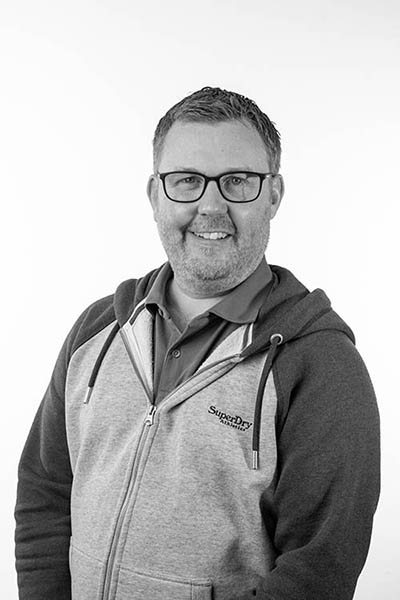
To me, respect starts with recognising the value of other people and treating them with dignity, even if you disagree. It’s about listening to different views and opinions, trying to understand another person’s perspective, and remaining kind and open-minded. Respect does not mean always agreeing with someone. It means being able to have honest conversations without demeaning, dismissing, or belittling others.
I wanted to lend my voice to this campaign because, through my work supporting victims and families affected by domestic abuse, I have seen the importance of creating a culture built on respect and equality. I have a deep hatred of domestic abuse in all its forms. The consequences can be devastating and long-lasting. The impact often extends far beyond the immediate victim, affecting families and communities and, in many cases, causing trauma that can be felt across generations, particularly by women and children.
Too often, women are expected to carry the burden of advocating for their own safety and equality. As men, we have a responsibility to challenge harmful attitudes towards women and girls, hold ourselves and others accountable, and be active allies in driving change.
Domestic Abuse Coordinator, Bracknell Forest Council
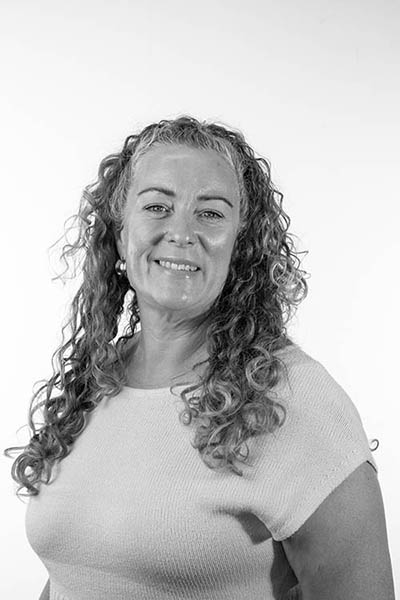
It’s important that we talk about violence against women and girls because silence allows abuse to continue, while open conversations raise awareness, challenge harmful attitudes, and encourage people to seek help.
Too many women and girls experience harassment, abuse, or violence in silence because they fear they will not be believed or supported. By talking about these issues openly, we help break down stigma, create understanding, and make it clear that abuse is never acceptable. Real strength is not about control, power, or violence. It is about respect, kindness, and standing up for what is right.
Every conversation we have about violence against women and girls helps to challenge the attitudes and behaviours that can lead to harm. Through my work, I have seen the impact that abuse can have on individuals, families, and communities. I know that silence often protects those who cause harm, but speaking about it can protect lives.
Forensic Outreach and Crisis Worker, Thames Valley, Mountain Healthcare

Challenging sexist jokes, comments, and behaviours is not about being easily offended. It is about prevention, accountability, and creating a culture where everyone is treated with dignity and respect. Harmful attitudes do not appear overnight. They often start with seemingly harmless comments, stereotypes, or jokes that, when left unchallenged, can normalise discrimination, disrespect, and abuse.
At Solace Sexual Assault Referral Centre in the Thames Valley, we see the real and lasting impact that violence against women and girls can have on survivors. Harmful attitudes towards women can contribute to a culture where abuse is minimised, excused, or overlooked. It is so important to address sexism at its earliest stages, before it grows into something far more damaging. Challenging inappropriate behaviour is one of the simplest but most effective ways we can help prevent harm and create lasting change.
Prevention is everyone’s responsibility. By speaking up, standing for equality, and challenging sexism whenever we encounter it, we can help build a culture where respect is the norm and where violence against women and girls is never tolerated.
Chief Executive Officer, Berkshire Women’s Aid
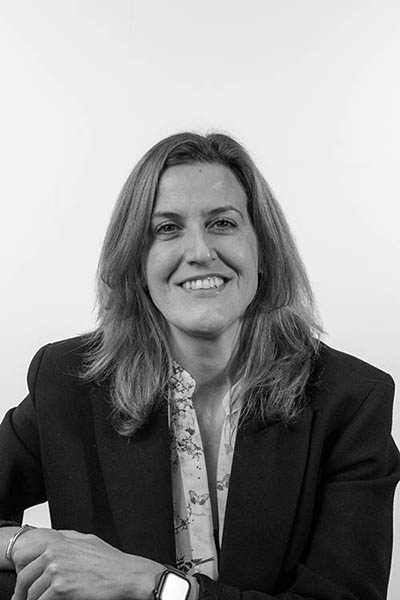
It should be to listen to survivors, believe them, and refuse to blame them for the abuse they have experienced. Too often, women and girls are made to feel that they won’t be believed, supported, or treated fairly if they speak up. We need to change that. By creating a culture where people feel heard, respected, and supported, we can give survivors the confidence to come forward and access the help they need.
We also need to challenge the way we talk about violence against women and girls. The conversation should focus on holding perpetrators accountable, not questioning victims. We can all play a part by calling out harmful attitudes, supporting those who need help, and advocating for systems that make it easier to report, investigate, and prosecute these crimes. It’s vital that we stand together and stand up for what is right.
The 16 days of activism gives us an opportunity to speak with one clear and united voice, but our commitment must continue long after it has ended. While progress is being made, there is still much more to do to prevent the harm experienced by women and girls every day.
This campaign is an important step towards a whole-community response across Bracknell Forest, raising awareness, challenging harmful attitudes, and championing the respect, dignity, and equality that every woman and girl deserves.
Chief Executive Officer and founder, Imabi
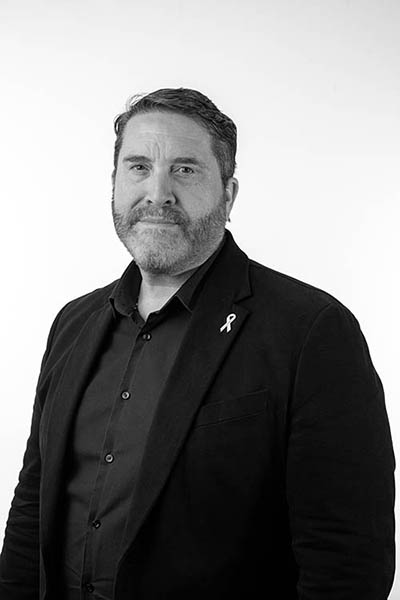
Friends, colleagues, and neighbours play a vital role in preventing harmful behaviour because they are often the people who notice when something is wrong. Whether it is challenging inappropriate comments, checking in on someone, or supporting a person to seek help, these small acts can make a big difference.
Creating safer communities is not the responsibility of a few people. It is something we all have a role in. This belief is one of the reasons I developed Imabi, an app designed to help people feel safer and more connected within their communities. The app is built on the principle that when people look out for one another, share information and feel empowered to act, communities become stronger and safer.
While technology can support that goal, real change comes from people choosing to care, speak up, and support those around them. I wanted to be involved in this campaign because the Bracknell Forest based business I have founded reflects those same values. Preventing violence against women and girls starts with everyday actions. When friends, colleagues, and neighbours refuse to stay silent and instead choose to support one another, we can create communities where everyone feels safe.
Professional host and master of ceremonies, Bracknell Forest resident
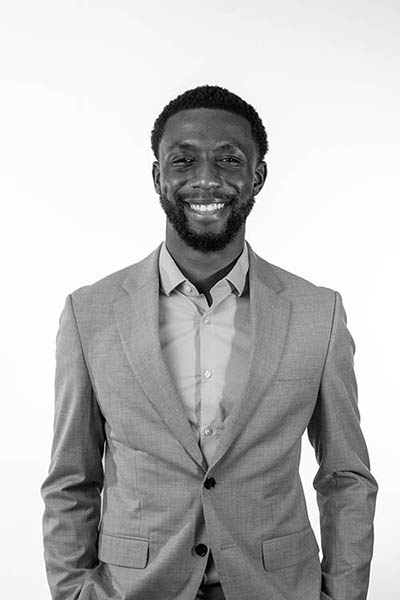
Young men need to understand that a real man does not use his strength to take. He uses it to protect. Some of what I saw growing up showed me what happens when men get that wrong. My Christian faith has shown me what it looks like when they get it right. The Bible says: “Be strong, act like men, and let all that you do be done in love.” Strength without love is dangerous. Strength with love protects. My message is simple: respect women. Speak up when your mates cross the line. Challenge harmful attitudes and behaviours when you see them.
What gives me hope is seeing more people willing to have these conversations and challenge outdated attitudes. I wanted to be part of this campaign because I have always been the person who speaks up for the girls and women in my life. Now that I’m engaged and getting married soon, those values mean even more to me. My mum taught me those values and has been an incredibly positive role model, showing me just how amazing and resilient our mothers, sisters, daughters, friends and colleagues are.
I’m lending my voice in the town where I grew up, a place I’m proud to call home, because change starts with men leading by example. To me, respect starts with treating everyone with love and kindness. That is the kind of strength that builds safer communities, stronger relationships and a better future for everyone. Anybody can be loud, but it takes a real man to be gentle with power.