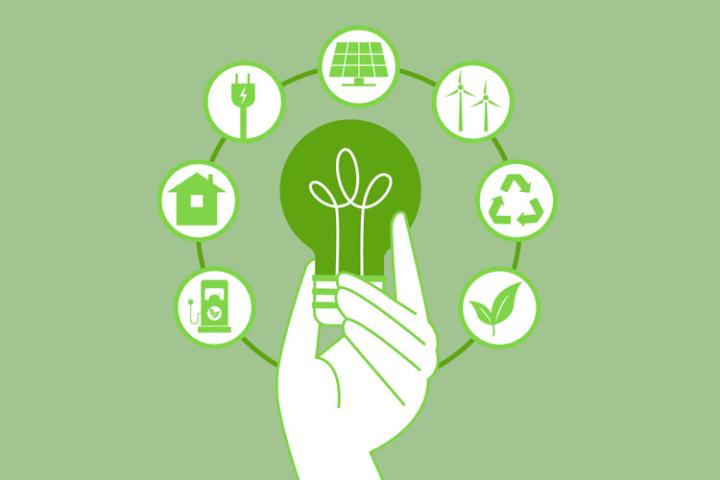
The next stage of the council’s Climate Change Strategy for 2025 to 2030 has been approved by Cabinet members, along with the actions for the coming year.
The delivery plan for the second stage explains how the council will move the Climate Change Strategy forward. It also sets out the work planned for the next 12 months. The plan has been updated to reflect recent changes, including:
- the council’s new Communities Strategy
- plans for devolution across the Thames Valley
- changes in global energy markets
Key aims for phase 2 include:
- reducing carbon emissions across Bracknell Forest, including the council’s own emissions
- improving how the council talks to and works with communities on climate change
- finding alternate funding options and working with partners to support the climate action needed in the long term
- delivering benefits for residents and local organisations, focusing on:
- reducing energy and fuel bills
- planting more trees and improving access to nature
- supporting good quality housing, economic growth and jobs
- supporting residents’ health and wellbeing
- supporting inclusion and helping people have their say
Cllr Ryan Frost, cabinet member for the environment and climate change, said:
“Working with key strategic and regional partners, we will increase the scale and ambition of our activities in this second phase, to reduce borough emissions, enable climate adaptation and develop a green economy.
“Successful delivery of the strategy and action plan will keep Bracknell Forest on the path to reduce greenhouse gas emissions towards net zero, as close to 2030 as possible. This will not only protect residents from the impacts of climate change and secure a positive future for all, but can bring about several wider benefits, such as reducing energy bills and supporting our health and wellbeing.”
More information
You can find more information on the:
Some of the achievements made in the first stage include:
- small vehicles in the council fleet upgraded to electric vehicles (EVs)
- guidance drafted for developers to improve sustainability and energy efficiency of new homes built in the borough (to launch this year)
- safer walking and cycling routes with crossings added near selected schools, as part of the council’s Safer Routes to Schools programme
- a collaborative research project launched with Royal Holloway, University of London on littering patterns to inform efforts to reduce littering
- the relaunch of the Joint Climate Action Board to facilitate partnership working with key local organisations